.svg?w=300&h=85)
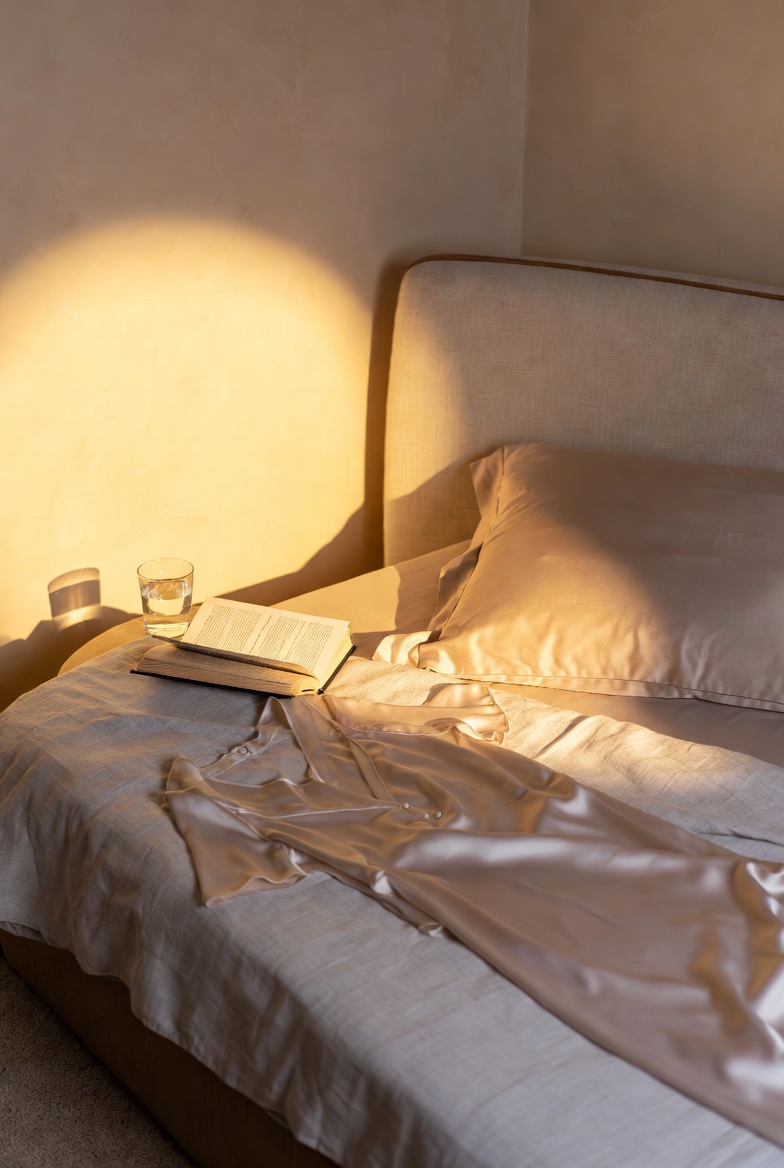
Many people’s first experience with silk happens in a department store, surprised by that light, cool, and soft touch—realizing that fabric could feel so refined. Once you start wearing silk pajamas or sleeping on silk pillowcases, you gradually understand that this ancient material offers not only comfort but also carries a story of civilization spanning thousands of years.
If you’re browsing TOWNSSILK’s silk collection, this article will take you from thinking “this fabric feels so good” to realizing “I’m wearing a piece of history.” Silk is not just an expensive fabric—it’s a thread extending from ancient imperial courts to today’s bedrooms, vanities, and travel bags.
Where Silk Comes From: A Fine Thread That Changed the World
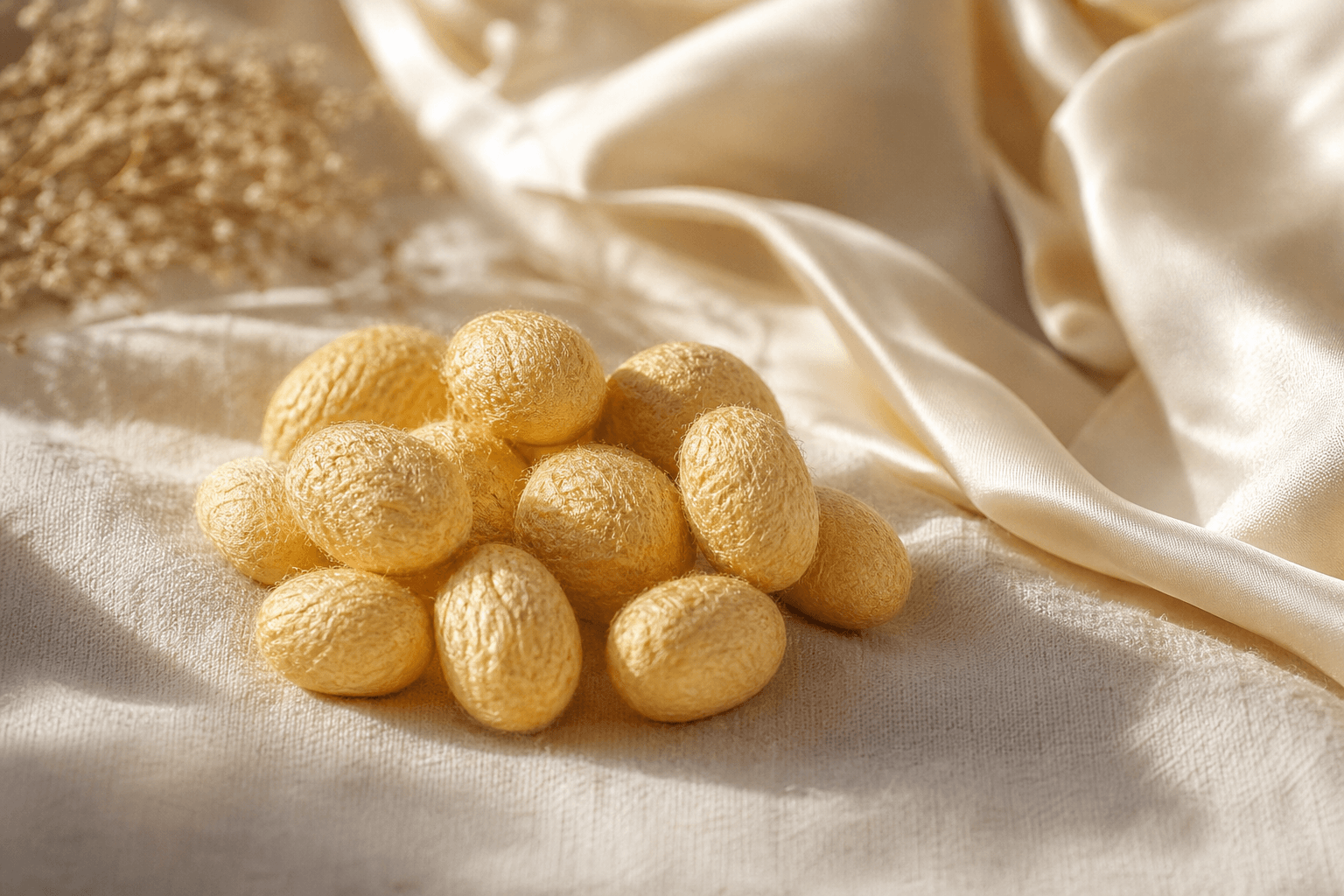
The story of silk starts with a small silkworm. Silkworms feed on mulberry leaves and spin cocoons from a continuous thread. Once carefully unwound, a single cocoon can yield a filament hundreds of meters long, which, after twisting and combining, becomes the silk yarn we know. It sounds romantic, but behind it lies intensive labor—this explains why silk remained exclusive to the elite for centuries.
Origins in China: A Secret Thousands of Years Old
Historians widely agree that systematic sericulture and silk reeling began in ancient China. Archaeological findings show silk fabrics and embroidery fragments dating back 4,000–5,000 years. A widely told legend says a queen discovered silk when a cocoon fell into her tea, unraveling into a fine thread that could be woven into cloth—thus beginning the era of silkworm farming.
Whether the legend is true or not, one fact is certain: for a long time, silk production was a state secret. Externally, it was a strategic resource influencing global trade; internally, it transformed everyday life, with generations of women tending mulberry trees, feeding silkworms, and weaving silk.
The Silk Road: More Than a Trade Route
Silk’s beauty and rarity quickly transcended borders. The ancient routes connecting China, Central Asia, the Middle East, and Europe became known as the Silk Road. Along these routes traveled not only bolts of silk but also spices, gems, glassware, religion, scripts, and art.
Roman elites were famously infatuated with Chinese silk. Historical records describe noblewomen wearing gowns so sheer that conservative senators accused them of immorality and even proposed legal restrictions. A piece of fabric debated in Parliament shows the power silk held.
Much of today’s aesthetic lineage can be traced along that route: Eastern brocade motifs influenced European embroidery, while Western floral and geometric styles found their way back east. Silk became a bridge for global cultural exchange.
Symbolism of Silk Across Cultures: Status, Ceremony, and Everyday Life
The more you learn about silk’s history, the easier it becomes to understand why it still carries a sense of ritual today. In every culture, silk symbolizes something significant—and those meanings continue to influence how we dress and decorate our homes.
From Imperial Robes to Wedding Dresses
In ancient Eastern societies, silk was strictly tied to hierarchy. The emperor’s dragon robe was made with exceptionally fine weaving and embroidery, with colors and patterns defined by law. Even the wealthy couldn’t freely imitate it. Official uniforms, ceremonial flags, and ritual offerings all featured silk.
In Europe, the story was similar. During the Middle Ages and Renaissance, Italian and French nobility wore silk garments imported from China or locally produced. In classic paintings, those luminous, naturally draped dresses are almost always silk. The church and royalty used silk to display authority, while merchants wore it to show wealth and taste.
Silk has long played a central role in weddings, too. Brides across many cultures wear silk garments—from embroidered gowns and shawls to simple silk dresses. Even today, silk remains present in life’s most important moments, from silk slip dresses under wedding gowns to bridal robes and eveningwear.
From Power Symbol to Intimate Comfort
For centuries, silk appeared mainly in public spaces—courts, cathedrals, banquets, and balls—meant to be seen. In modern times, silk has found its way back to the body: pajamas, lingerie, pillowcases, eye masks, and hair scrunchies.
This shift is fascinating: silk has transformed from something worn “for others to see” into something we use “to care for ourselves.” Many people first invest in silk to improve sleep, skin, or hair—or simply as a way to treat themselves with care. You might not wear a silk gown to work, but after a long day, slipping into a TOWNSSILK pajama set wraps you in quiet luxury.
When silk moves from royal courts and ballrooms to your pillow and pajamas, it ceases to be just a luxury—it becomes a part of your intimate everyday life.
That’s why silk pillowcases and scrunchies have recently gone viral on Western social media. People share how their morning hair tangles less, their skin feels smoother—while quietly enjoying a sense of subtle self-care.
Why Is Silk Considered a “Noble Fabric”?
Most people instinctively perceive silk as luxurious—not just because of its price. Its allure comes from a combination of material rarity, craftsmanship, distinctive texture, and centuries of cultural meaning.
The sense of “luxury” stems from several key aspects:
- Rare raw materials: silkworms and careful cultivation
- Complex craftsmanship: reeling, weaving, dyeing demand mastery
- Unique texture: soft, smooth, yet structured
- Natural sheen: a warm, subtle glow rather than synthetic shine
- Historical prestige: long associated with royalty and ceremony
Silk’s tactile difference lies in how it balances softness with structure—it drapes elegantly without collapsing. Against the skin, it feels cool yet never cold, making it ideal for sleepwear and robes.
Beyond feel, silk’s smooth surface reduces friction, minimizing tugging on hair and skin while sleeping. It’s no wonder many people opt for silk pillowcases for a gentler night’s rest.
Culturally, silk embodies a form of self-respect. Choosing a silk pajama instead of an old T-shirt expresses care for one’s body and rest. That quiet sense of worth often lasts longer than the material itself.
From Silk Road to TOWNSSILK: A New Life for an Ancient Fabric
Today, silk has long left ancient palaces and camel caravans. It now travels via air freight to urban apartments and online stores. You might select color and size on your phone, place an order, and soon, that heritage arrives on your pillow or in your wardrobe—continuing a thread thousands of years long.
Bridging Modern Craft with Everyday Aesthetics
Compared with the past, modern silk production is standardized and quality-controlled. TOWNSSILK’s mission is to combine premium silk fibers with modern design, making luxury a comfortable part of daily life.
A simple monochrome silk robe may blend East and West: minimalist in cut, yet its lustrous drape recalls vintage gowns or kimonos. It’s not about nostalgia or novelty—it’s about balance, where silk feels both timeless and modern.
More consumers now look beyond appearance, caring about how fabrics affect their bodies and the planet. As a natural protein fiber, silk feels more breathable and skin-friendly than synthetics—prompting brands to innovate sustainably.
Writing Your Own Silk Story
Seen over time, your first silk piece marks a new story. In the past, silk’s tale was about emperors, caravans, and kingdoms; today, it’s about you—your rest, your skin, your comfort at home.
For those living in modern cities, silk is no longer mysterious. You can:
End your workday with a “wind-down ritual” in TOWNSSILK pajamas;
Sleep more soundly with a silk pillowcase and eye mask;
Take a silk robe on your next trip to turn any hotel into a cozy home away from home.
These small choices can slowly transform how you relate to your body and your space. Silk has never been only about beauty—it’s a way of being gentle with yourself.
Next time you feel that cool, smooth silk touch, remember: this fiber has journeyed across millennia—from mulberry trees and silkworm huts to camel caravans and royal courts, finally arriving at your fingertips and beside your pillow. You’re not merely purchasing pajamas or a pillowcase—you’re continuing a long and delicate cultural tradition. Only now, the protagonist is you.

.png?w=1536&h=1024)