.svg?w=300&h=85)

When you bring home a silk bedding set or a silk nightdress, most people’s first reaction is: it looks great and feels amazing. The second reaction is often: this sounds super delicate—how on earth do I wash it without ruining it the first time?
At TOWNSSILK, we hear this kind of question every day. Some people treat silk like cotton and toss it into a high-heat dryer, only to end up with shrinkage and deep creases. Others are so worried about damaging it that they almost never wash it, and the silk gradually loses its sheen. In reality, silk is not as hard to care for as it seems. Once you master a few key steps, you can keep that luxurious feel while extending its lifespan.
Understand silk’s “temperament” first: why it needs special care
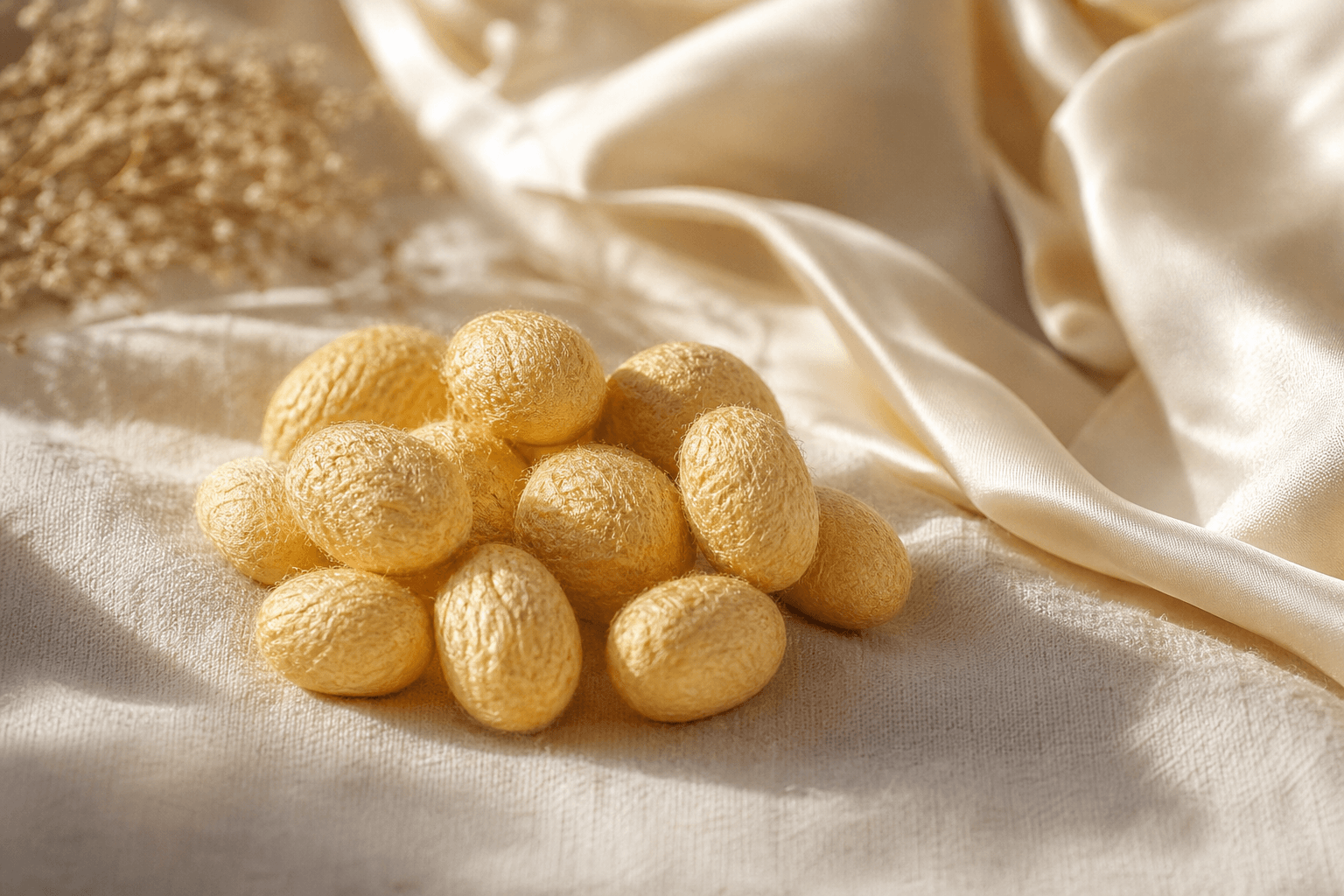
Silk comes from silkworm cocoons and is essentially a protein fiber, structurally closer to hair than cotton. Once you understand this, many care rules become obvious—you wouldn’t wash your hair with harsh bleach, right?
What silk fears most: high heat, strong alkali, and harsh sun
The protein in silk fibers is damaged by high temperatures and strong alkaline environments. The fabric then becomes stiff, rough, brittle, loses its luster, and may turn dull, grayish, or even yellow. High-heat tumble drying, alkaline laundry powders, and long hours in direct sun are all accelerators of “premature aging” for silk.
There’s another detail that’s easy to overlook: excessive friction. Many people like to scrub pillowcases and sheets vigorously, especially where there are makeup or oil stains. But silk fibers are more fragile when wet; hard scrubbing can cause pilling and streaks, leaving shadowy lines across the surface.
Silk’s strengths: why it deserves gentler care
The reason silk is so addictive is its almost irreplaceable handfeel and skin feel: cool but not icy against the skin, smooth to the touch, with a soft sheen that elevates the look of your bedroom and wardrobe. More importantly, silk is naturally breathable and moisture-wicking. Sleeping on silk bedding in summer is less stuffy and helps your skin relax.
All these benefits come from fine protein fibers and tight, even weaving. With proper care, high-quality silk bedding from TOWNSSILK can stay glossy and beautiful for years. With poor care, a few washes can leave it dull and wrinkled, and it’s hard to restore the original texture.
Caring for silk isn’t being “fussy”; it’s about respecting the fabric’s nature so your investment goes further.
How to wash silk: the right way to hand-wash, machine-wash, and dry clean
Many people get stuck at the first step: is machine washing okay? Do I need to dry clean every time? There’s no need to overcomplicate things. Different situations call for different methods, but the key is to control water temperature, detergent, and time.
Daily cleaning: gentle hand-washing is the best option
For most TOWNSSILK silk pillowcases, sleepwear, nightdresses, and scarves, gentle hand-washing is all you need. The process can be broken down into a few steps, each one important for longevity:
- Keep the water temperature around 30°C (lukewarm to the touch)
- Use a neutral detergent made for silk, or a mild liquid labeled safe for silk
- Dissolve the detergent completely in the water before adding the silk; don’t pour it directly onto the fabric
- Gently press and move the fabric; avoid vigorous rubbing or wringing
- Limit soaking to 5–10 minutes; don’t leave it sitting in water for too long
When rinsing, it’s best to change the water a couple of times until you barely feel any suds. The final step is crucial: don’t twist silk like a towel to wring it out. Just gently press out excess water, then roll it in a dry towel and press to absorb moisture.
A quick tip: If you’re worried about color looking dull, you can add a small amount of white vinegar to the last rinse (just a little) to help restore some sheen and neutralize any alkaline residue from cleaning.
Machine-washing silk: when it’s acceptable to try
Machine-washing silk isn’t strictly forbidden, but the conditions are quite specific, and it’s best for busy people who can’t hand-wash every time. You can follow a few hard rules:
Choose a machine cycle labeled “Silk/Delicate/Hand Wash,” set the water to cold or no higher than 30°C. Turn silk items inside out and place them in a mesh laundry bag to reduce friction with the drum and other garments. Use only mild detergents—avoid enzyme-based or bleaching formulas—and keep the wash time as short as possible.
If your silk bedding is heavier-weight and tightly woven, such as some TOWNSSILK silk duvet covers and sheets, occasional machine-washing is acceptable under these conditions. But for very lightweight, ultra-smooth satin pieces, hand-washing is still strongly recommended.
Important: After machine-washing, either turn off the spin cycle or use a very short, low-speed spin to prevent strong centrifugal force from stretching and damaging the fibers.
As for dry cleaning, it’s best reserved for end-of-season or once- or twice-a-year “deep care,” especially for garments with complex construction, many panels, or dark-colored silk pieces. For weekly or bi-weekly routine cleaning, hand-washing is enough.
How to dry and iron silk: the key details that decide how it looks
A lot of silk damage isn’t caused in the wash, but during drying and ironing. No matter how careful you are when washing, strong sun and high heat when drying or ironing can undo everything.
Drying methods: avoid direct sun and “set-in creases”
Right after washing, the wetter the silk, the softer the fibers—and the easier it is to deform or set creases. Keeping it smooth and in shape requires a bit of patience:
First, use a towel to absorb most of the water so the item isn’t dripping and heavy when you hang it. Dry in a shaded, well-ventilated spot, laid flat or semi-flat. You can drape it over a wide-shoulder hanger or a thick drying rod to avoid marks from thin lines. Smooth out the fabric with your hands, gently pulling open any obvious folds. Avoid drying under intense direct sun; strong light and heat can cause silk to yellow and become brittle.
If you live in an area with very strong sunlight, let the silk air-dry indoors near a window where there is light but no direct rays. Don’t leave it hanging too long; once it’s dry, bring it in rather than letting it turn stiff.
Ironing and de-wrinkling: low heat, a pressing cloth, and “half-dry” timing
Most wrinkles in silk can be improved with proper ironing or steaming. Follow these three basic points when ironing:
Use a low-heat or “Silk” setting, usually no higher than 120°C. Don’t let the iron’s soleplate touch the silk directly; place a thin cotton cloth or light towel between the iron and the fabric. Iron when the silk is still slightly damp—at this point the fibers are soft but not overly weakened by heat and steam.
If you prefer a garment steamer, keep the nozzle about 2–3 cm away from the fabric and don’t linger in one spot for too long. For satin-finish silk like TOWNSSILK pieces, gently pulling the fabric along the warp and weft while steaming can help the sheen lay flatter and smoother.
Treat silk like a premium dress shirt that deserves gentle care, not like an ordinary towel, and it will reward you by looking better and lasting longer.
Everyday use and storage: keeping silk feeling “fresh”
Beyond washing and drying, how you use silk day to day also affects its overall lifespan. Pillowcases and sheets, in particular, are in constant contact with your skin and hair, dealing with sebum and sweat every night.
Frequency of use and simple care habits
Silk pillowcases are best washed every 5–7 days, more often in hot climates where you sweat a lot. Silk sheets and duvet covers can be washed every 1–2 weeks depending on use and climate. If you go too long without washing, sweat and skin oils gradually seep deep into the fibers. Over time they cause yellowing and dullness that one simple wash can’t fix.
You can build a few easy habits into your routine:
- Remove makeup and wash your face before bed so less cosmetic and sunscreen residue gets on the silk
- Avoid lying on silk bedding right after applying heavy skincare or body oils
- Keep dark silk separate from light-colored bedding and clothes, both in use and in the wash, to prevent color transfer
- Spot-clean small stains as soon as you notice them instead of waiting until the whole item needs a full wash
- Since pet claws are sharp, try not to let cats and dogs run and jump wildly on silk bedding
TOWNSSILK’s high-density silk bedding is already more durable thanks to tighter weaving, but combined with these daily habits, your overall experience will be more stable and long-lasting.
Proper storage: ventilation, no light, and avoiding mothball odors
Silk pieces you don’t use often or store between seasons deserve a bit of ceremony. The basic process is: wash thoroughly, dry completely, gently press, and then store. Putting silk away when it’s even slightly damp can lead to mildew spots and odors.
For storage, use breathable fabric or cotton bags and avoid leaving silk sealed in plastic bags for long periods. Keep wardrobes and drawers dry and, if needed, add some unscented desiccant. If you like using sachets, choose light, subtle scents and keep a little distance between them and the silk.
It’s not recommended to keep silk in direct contact with mothballs or on the same shelf for long periods. The chemicals and strong odor in mothballs can affect silk fibers and color and are hard to fully remove, which can also impact your comfort when you sleep.
For frequently used items like TOWNSSILK silk pillowcases, you can store them in the top drawer like regular bedding for easy access. Just remember to wash regularly, dry thoroughly, and keep them in a well-ventilated space.
Keep these points in mind to make silk last longer
The care rules for silk may seem numerous, but the core principles are simple: low temperature, gentleness, minimal sun, and no rough handling. As long as you remember these keywords, you can protect your TOWNSSILK silk bedding and garments in everyday use.
To put it in everyday language: treat silk like your own skin—don’t expose it to harsh sun, don’t soak it in strong alkali, don’t scrub it hard, don’t scald it with boiling water. Clean it regularly, keep it dry, and it will naturally stay soft, glossy, and refined.
Once you get used to this simple care routine, silk stops being synonymous with “high-maintenance” and becomes a very practical, comfortable part of daily life. The next time you buy a new silk piece from TOWNSSILK, you’ll feel more confident, because you’ll already know how to keep it in its best condition at home.