.svg?w=300&h=85)
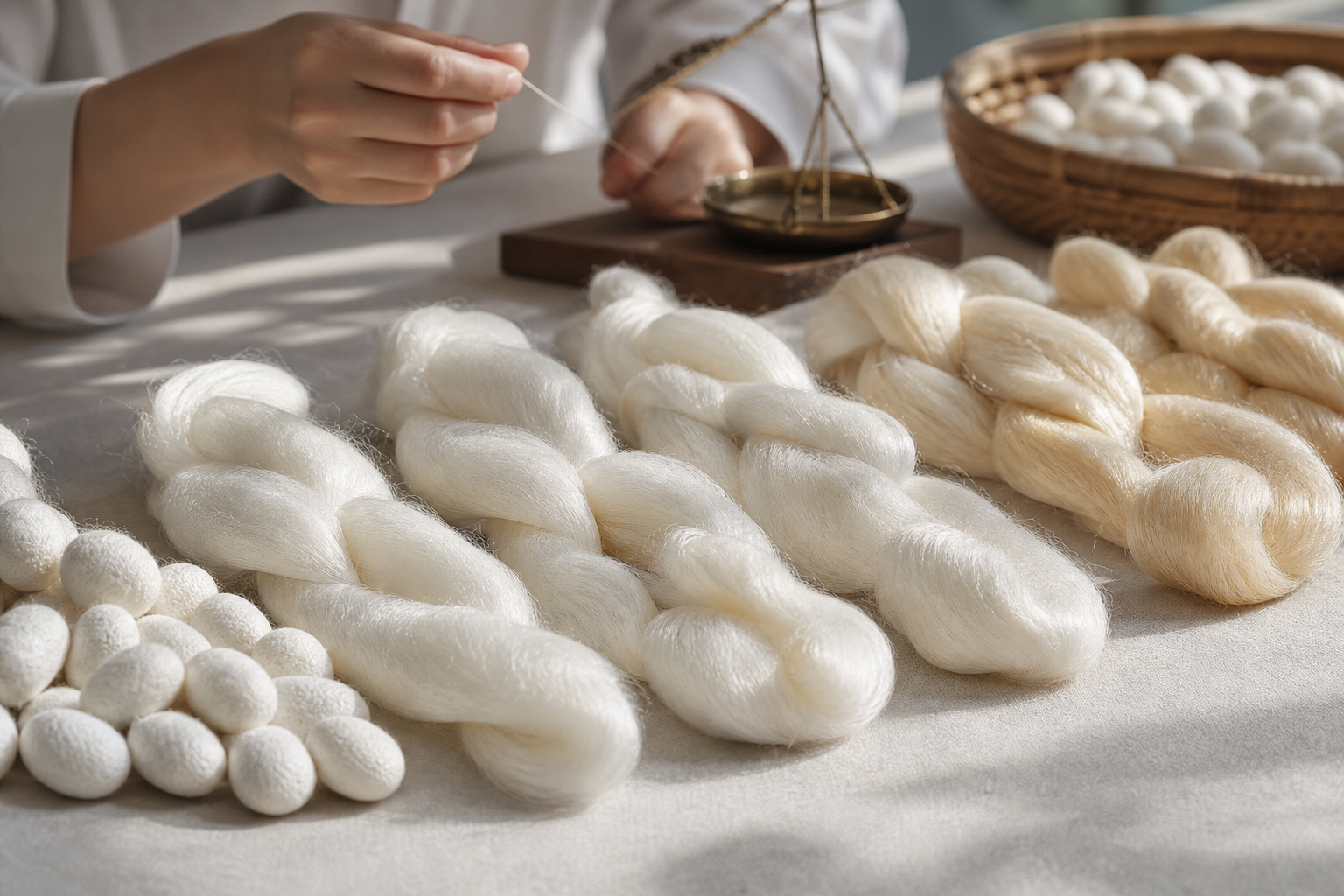
Real silk is one of the most demanding textiles to work with. Greige fabric is delicate, dyeing is sensitive, and finishing determines the final feel. Getting it right once is hard. Getting it right every time is harder.
At TOWNSSILK, we don't rely on memory or guesswork. Every batch of silk is tracked from greige fabric to finished product. This article explains what that means—and why it's the reason our quality stays consistent.
Why Silk Quality Isn't an Accident
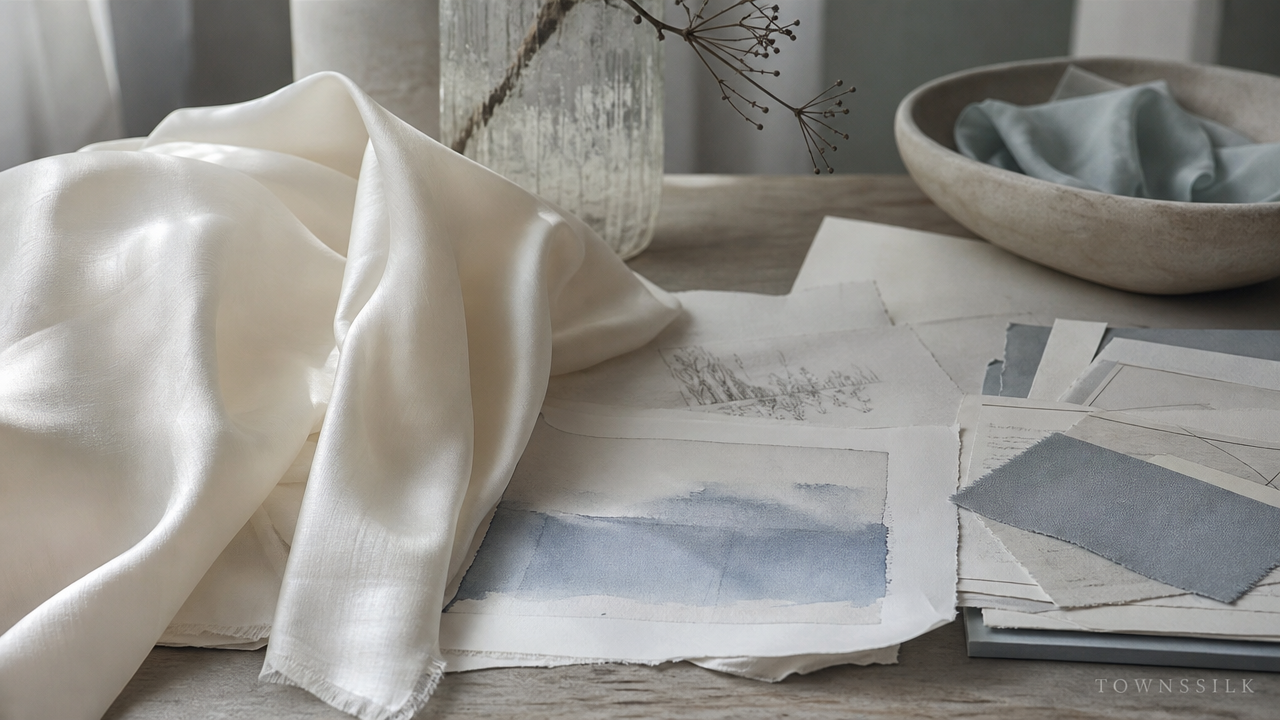
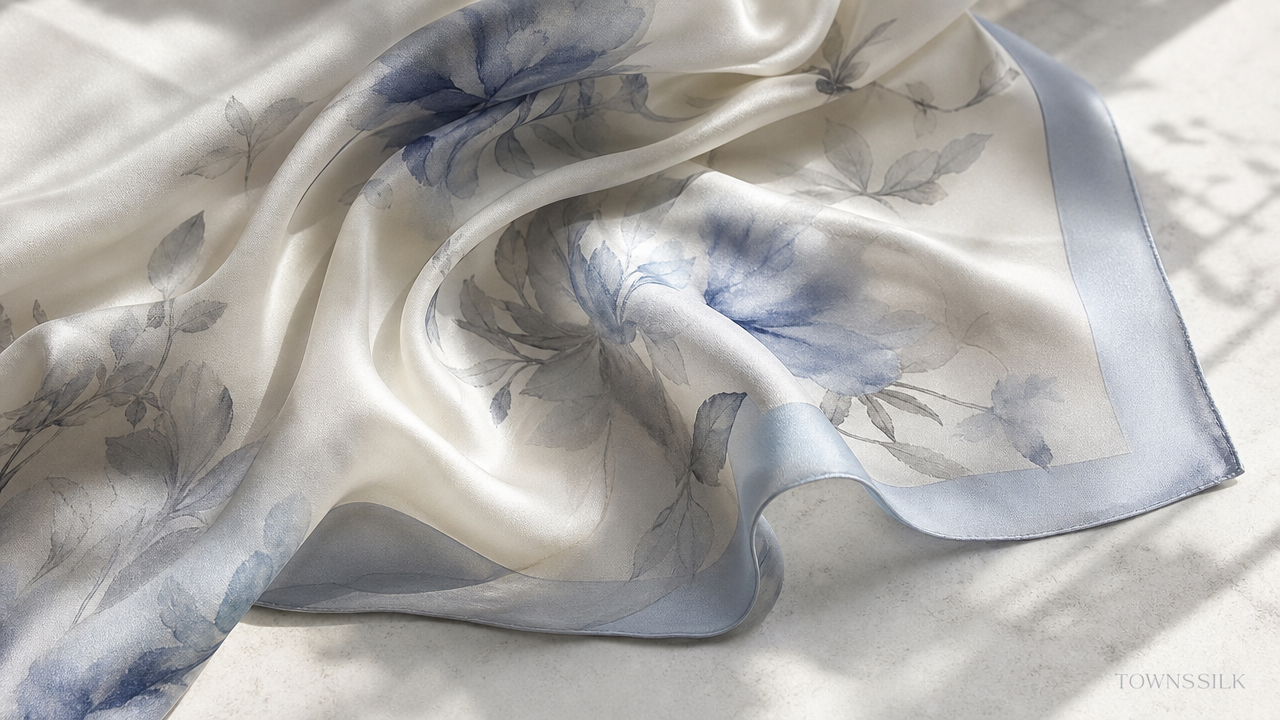
If you've ever bought two pieces of silk that looked the same but felt different, you've already seen the problem. Silk quality isn't just about the material. It's about how it's made.
A small change in dyeing, finishing, or timing can change the final feel. That's why some silk stays soft after washing, while other silk doesn't. It's also why two batches from the same factory can end up feeling different.
In a traditional silk setup, this is often hard to control:
1. You can't always tell where the silk is. When you ask, someone has to walk to the workshop and ask. The answer is often vague: "It's in dyeing" or "Should be done next week."
2. Quality issues are hard to trace. If a batch feels off, the factory traces back through paper records—if they exist. Days later, the answer is still uncertain. Was it the greige fabric batch? The dyeing partner? The finishing process?
3. Delivery dates shift without warning. Without a clear view of production capacity, scheduling becomes guesswork. A rush order comes in, and everything shifts.
This is what happens when silk production is managed with manual processes. No real-time data, no batch-level records, no early warning system.
At TOWNSSILK, we built our own production management system to solve exactly this.
What Makes TOWNSSILK Different
Most silk brands don't manage their own production. Most factories don't keep digital records. That's why quality is unpredictable—and why problems take days to trace.
TOWNSSILK works differently. Every batch of silk is logged, tracked, and recorded from the moment it arrives as greige fabric.
Each batch has a unique ID. Each key production node—dyeing, printing, finishing, and external partners—is recorded. Quality isn't a promise. It's a process.
Most silk brands can't tell you where their silk has been. We can. That's the difference.
What the System Actually Does
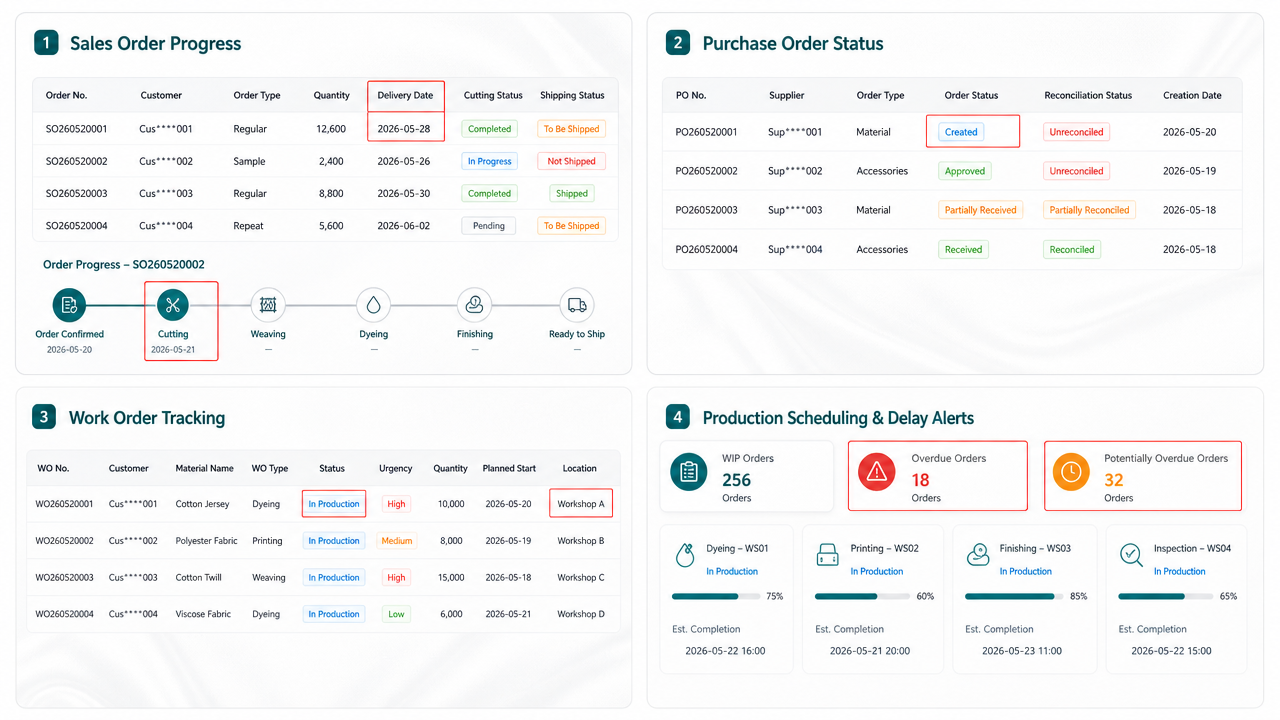
Our production system connects every stage of silk-making—from fabric intake to finished product. At key nodes, the system knows where a batch is without anyone having to report it.
1. Batch-level visibility. Every batch has a status. At key production nodes, the status updates on its own—no one needs to check in. Manual entries fill in the rest. So the current stage of any batch is always known.
2. Node-level tracking. Every batch is recorded—which node it went to, when it arrived, and when it returned. If a quality issue arises, it can be traced back to a specific stage.
And it goes one step further. If a finished piece doesn't feel the way it should—slightly different in softness, sheen, or drape—we can trace that back to the exact batch of greige fabric it came from. That tells us whether the issue started with the raw silk itself or with a later process. So the next batch isn't just fixed—it's made better from the start. *Result: the silk you receive keeps getting more consistent, not less.*
3. Early delay alerts. When a batch spends longer than expected at a node, the system flags it. That means we can catch issues before they affect your order.
4. External partner collaboration. External partners can log in to receive work orders, update progress, and upload inspection results. Their progress feeds back into the main system, so even outsourced stages stay visible.
A Real Example
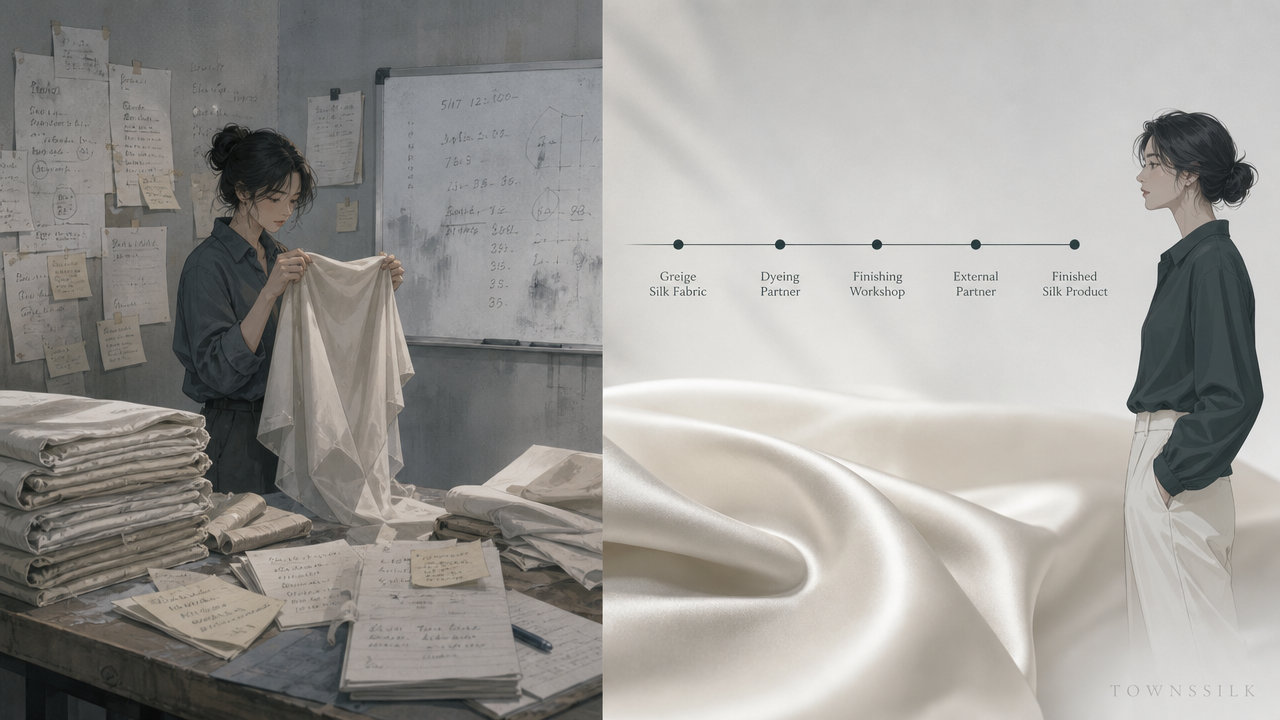
Here's how this works in practice. One batch of silk moved through several production stages:
- Greige fabric arrived at the workshop
- The batch went to a dyeing partner
- Then to a finishing workshop
- Then to an external partner for a specialized process
- Then back to the finishing line
- Finally, it became a finished product
Each arrival and return was logged as it happened. So when the record showed the batch had spent longer than expected at one external partner, we could see it right away—and correct it before the next batch was sent out.
In fact, every step is recorded with a specific time—when the fabric arrived, when it left, and when it came back. That means if something feels off in the final piece, we don't have to guess. We can look back at exactly when and where it happened, and fix it before it reaches you.
This is what quality control means in practice. Not a checklist—an ability to solve problems fast.
Why This Means Better Quality for You

When you choose TOWNSSILK, you're getting more than silk. You're getting a brand that knows where its silk has been.
- Every piece can be traced back through its key production nodes.
- When a quality issue comes up, it can be traced to a specific stage.
- Consistency isn't based on hope—it's based on records.
For silk sleep, silk skincare, and silk gifting, this means the quality you feel the first time is the quality you can expect every time.
How to Tell Real Silk Quality
You don't need a lab to tell good silk from bad silk. Your hands already know. Here are five things to pay attention to:
1. The feel. Real silk feels cool, smooth, and has a natural weight. Synthetics feel slick but light, and often slightly dry.
2. The sheen. Real silk has a soft, layered sheen that shifts in the light. Synthetics tend to have a flat, uniform shine.
3. The drape. Real silk falls with weight and movement. Synthetics tend to drape lightly, without the same depth.
4. How it wears over time. Real silk stays soft after washing. Lower-quality fabrics can stiffen, pill, or lose their finish.
5. Consistency. A well-made silk product feels the same from one piece to the next. If the same item feels different every time you buy it, quality control is inconsistent.
Consistency is what separates well-made silk from silk that just looks like it. And consistency is exactly what a tracked production process delivers—batch after batch.
FAQ
1. How does TOWNSSILK make sure the quality stays consistent?
TOWNSSILK tracks every batch from greige fabric to finished product. Every key production node—dyeing, finishing, and external partners—is recorded. So if something goes wrong, we can trace it back to a specific stage.
2. How does TOWNSSILK manage its silk production?
Every batch has a unique ID and a status. At key production nodes, the system updates the status on its own. Manual entries fill in the rest. External partners can log in to update progress. Everything feeds back into one system.
3. How does TOWNSSILK handle outsourced processes?
External partners log in to a dedicated portal to receive work orders, update progress, and upload inspection results. Their progress feeds back into the main system, so outsourced stages stay visible.
4. Why is real silk worth the investment?
Real silk offers durability, a smooth feel, and benefits that synthetics can't match. For silk sleep and silk skincare, real silk is gentle on the skin and supports better rest.
5. If there's a quality issue, how fast can TOWNSSILK respond?
Because every key node is recorded, we can trace a batch back to a specific stage quickly. In practice, this means we can often identify the issue within hours—not days.
Conclusion
Silk is a process, and at TOWNSSILK, this process is tracked from greige fabric to finished product. By recording every key production node, we keep our silk consistent—batch after batch. This is what makes TOWNSSILK different.
Discover TOWNSSILK. Feel the difference for yourself.
.png?w=1536&h=1024)